Ditapis dengan
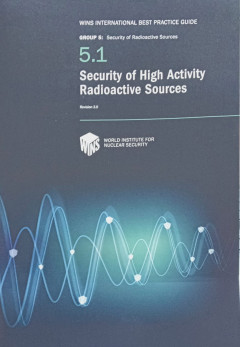
Security of High Activity Radioactive Source
Radioactive sources are used routinely by hospitals, research facilities and industry for such purposes as diagnosing and treating illnesses, sterilising equipment and inspecting welds. In countries with mature regulatory structures, the use of radioactive sources is highly regulated from a safety perspective. Licensees (authorised users) readily accept such regulations because they are well aw…
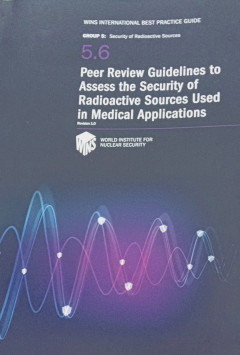
Peer Review Guidelines to Assess the Security of Radioactive Sources Used in …
Although radioactive sources are used around the world for multiple health purposes, they have the potential to cause significant harm if they fall into the wrong hands. A serious security event involving such sources could open a health care facility (HCP) to legal and economic liabilities; injure personnel, patients and members of the public; damage the environment; create widespread fear, pa…
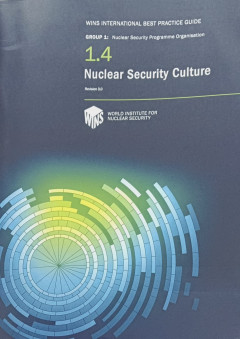
Nuclear Security Culture
Experience in a wide range of organisations entrusted with the security of sensitive materials strongly indicates that pervasive culture of security-as much as a robust security infrastructure-is essential to successfully lowering the risks associated with insider and external threats. This WINS International Best Practice Guide explains what nuclear security culture is, how it is created, and …

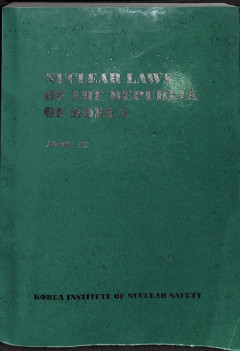
Nuclear Laws of the Republik of Korea, 2008. 12
This book contains : Atomic energy act (Atomic energy act; Enforcement decree of the atomic energy act; Enforcement regulation of the atomic energy act; Regulation on technical standards for nuclear reactor facilities, etc; Regulations on technical standards for radiation safety control, etc); Physical protection and radiological emergency (Act on physical protection and radiological emergency;…
 Karya Umum
 Filsafat
 Agama
 Ilmu-ilmu Sosial
 Bahasa
 Ilmu-ilmu Murni
 Ilmu-ilmu Terapan
 Kesenian, Hiburan, dan Olahraga
 Kesusastraan
 Geografi dan Sejarah