Ditapis dengan


Nuclear Security Recommendations on Radioactive Material and Associated Facil…
The purpose of this publication is to provide guidance to States and competent authorities on how to develop or enhance, implement and maintain a nuclear security regime for facilities dealing with radioactive material and associated activities. This is to be achieved through the establishment or improvement of their capabilities to implement a legislative and regulatory framework to address th…


Managing the Early Termination of Operation of Nuclear Power Plants
When facing the decision of closing nuclear power plants (NPPs) before expiration of their operating licences, it is important that the same safety measures are applied to management concerns for strategic planning as are applied to technical reviews. These management and organizational issues are fundamental to any future decommissioning process. Managers at sites that decide to close early ma…

Challenges Faced by Technical and Scientific Support Organizations in Enhanci…
Proceedings contains material Summary; Opening session; Roles, functions and value of technical and scientific support organizations (Topical Session 1); Challenges faced by TSOs and TSO effectiveness (Topical Session 2); International cooperation, networking and application of IAEA safety standards (Topical Session 3); Perspectives on the evolving needs for technical and scientific support (To…
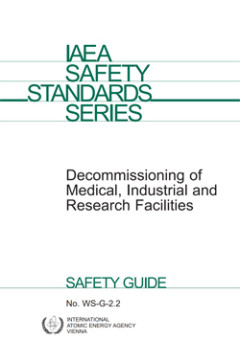
Decommissioning of Medical, Industrial and Research Facilities, Safety Guide
This Safety Guide addresses the subject of how to meet the requirements for the decommissioning of medical, industrial and research facilities where radioactive materials and sources are produced, received, used and stored. It provides guidance to national authorities and operating organizations, particularly to those in developing countries (as such facilities are predominant in these countrie…
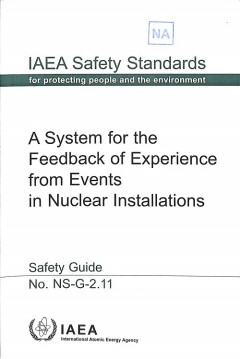
A System for the Feedback of Experience from Events in Nuclear Installations
This Safety Guide provides recommendations on all the main components of operating experience feedback systems, utilizing relevant information on events and abnormal conditions that have occurred at nuclear installations around the world. It focuses on the interaction between the different systems for using operating experience feedback and constitutes an update and an extension of Part I: A Na…

Maintaining the Design Integrity of Nuclear Installations Throughout Their Op…
This book consist : Introduction; The issue; The need for a design authority; Design knowledge needed for control purposes; Responsibilities of the design authority; Formal arrangements; Regulatory oversight; and Conclusions. (Jml)

 Karya Umum
 Filsafat
 Agama
 Ilmu-ilmu Sosial
 Bahasa
 Ilmu-ilmu Murni
 Ilmu-ilmu Terapan
 Kesenian, Hiburan, dan Olahraga
 Kesusastraan
 Geografi dan Sejarah