Ditapis dengan

Metalurgi Fisik Modern & Rekayasa Material, Edisi Keenam
Buku Metalurgi Fisik Modern & Rekayasa Material edisi keenam ini membahas mulai dari elemen-elemen murni hingga superalloy, dari gelas hingga keramik-keramik rekayasa, dan dari plastik hingga komposit-komposit in situ. Buku ini juga menyertakan bab-bab baru yang membahas material-material untuk peralatan olahraga. (Jml)
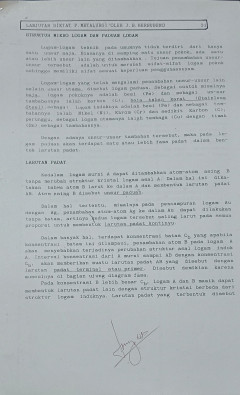
Lanjutan Diktat P.Metalurgi
Logam-logam teknik pada umumnya tidak terdiri dari hanya satu unsur saja. Biasanya di samping satu unsur pokok, ada satu atau lebih unsur lain yang ditambahkan. Tujuan penambahan unsur-unsur tersebut adalah untuk merubah sifat-sifat logam pokok sehingga memiliki sifat sesuai keperluan penggunaanya. (AR)
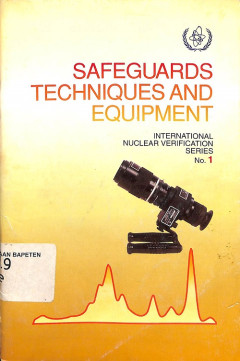
Safeguards Techniques and Equipment
This book consist : Introduction; Non-destructive analysis; Destructive analysis; Containment and surveillance; Unattended and remote monitoring; and Environmental sampling. (Jml)

Directory of National Competent Authorities' Approval Certificates for Packag…
This book consist : Introduction; Table 1. Current certificates; Table 2. Expired certificates; Table 3. Current certificates by validation number; Table 4. Expired certificates by validation number; Table 5. Mass, contents and description for all certificates and validations; and Table 6. Certificates listed by member state. (Jml)


Assessing the Need for Radiation Protection Measures in Work Involving Minera…
This book consist : Introduction; Application of the standards to work involving minerals and raw materials; Industrial activities most likely to require regulatory consideration; Practical techniques for determining radionuclide activity concentrations; and Example of an assessment procedure. (Jml)
Nuclear Forensics Support, Reference Manual, Technical Guidance
Nuclear scientists have recognized that much can be learned from the analysis of reported cases of illicit trafficking of nuclear and other radioactive material, specifically, what the material has been used for, where it was obtained from (stock, scrap or waste) and whether the amount seized was only a sample of a much more significant quantity. These and many other questions can be answered t…
Design of the Reactors Core for Nuclear Power Plants, Safety Guide
This book consist : Introduction; General safety considerations in design; Specific safety considerations in desgin; Qualification and testing; and Quality assurance in design. (Jml)

Compound Semiconductor Radiation Detectors
"Although elemental semiconductors such as silicon and germanium are standard for energy dispersive spectroscopy in the laboratory, their use for an increasing range of applications is becoming marginalized by their physical limitations, namely the need for ancillary cooling, their modest stopping powers, and radiation intolerance. Compound semiconductors, on the other hand, encompass such a wi…
 Karya Umum
 Filsafat
 Agama
 Ilmu-ilmu Sosial
 Bahasa
 Ilmu-ilmu Murni
 Ilmu-ilmu Terapan
 Kesenian, Hiburan, dan Olahraga
 Kesusastraan
 Geografi dan Sejarah