Ditapis dengan
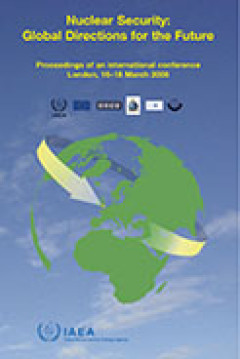
Proceedings Series - Nuclear Security: Global Directions for the Future
The principal aim of the International Conference on Nuclear Security: Global Directions for the Future was to share information on how to most successfully combat sub-State and criminal threats now and in the future, and to foster a better understanding and awareness of the global changes since 11 September 2001. The conference considered the threat of malicious acts involving nuclear and othe…
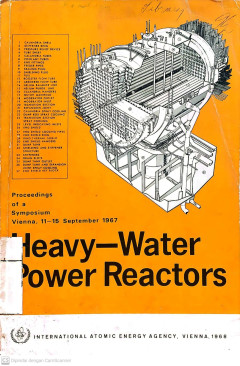
Heavy-Water Power Reactors: Proceedings of a Symposium Vienna, 11-15 Septembe…
Heavy-water reactors have evoked a great deal of interest since the early days of atomic power development. These reactors, by virtue of their good neutron economy, offer certain advantages over other types, including lower fuel inventory, versatility in fuel cycle with the possibility of using natural or enriched uranium as well as thorium, better fuel utilization, and consequently low fuel cy…

Safety of Transport of Radioactive Material: Proceedings of an International …
Proceedings contains material Executive summary; Opening session; Background session; Explanatory topical session liability; Communication with the public and between governments; Effectiveness of radiation protection in transport (Technical session 1); Compliance and quality assurance (Technical session 2); Packaging and transport of radioactive material (fuel cycle and non-fuel cycle) (Techni…

Topical Issues in Nuclear, Radiation and Radioactive Waste Safety: Proceeding…
Proceedings contains material Safety management; Occupational radiation protection: Trends and developments; Backfitting, upgrading and modernization of nuclear power plants; Radiological protection principles for situations of chronic exposure to residual radioactive materials: decommissioning and rehabilitation and reclamation of land; Radiation safety in the distant future: the issue of the …
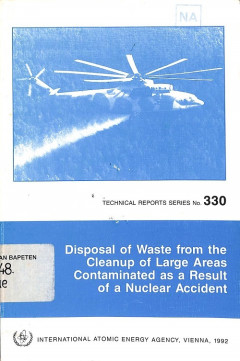
Disposal of Waste from the Cleanup of Large Areas Contaminated as a Result of…
This book consist : Introduction; Purpose; Scope; Waste characteristics and quantities; Treatment of wastes; Scenarios for the tranportation and disposal of wastes; Loading and transportation of large volumes of waste; Disposal of large volumes of waste; Disposal facility operation closure and surveillance; Review of operational experience; Radiation protection and safety plan; and Conclusions.…

Effects of Ionizing Radiation on Plants and Animals at Levels Implied by Curr…
This book consist : Introduction; Summary of the available information on the effects of ionizing radiation on populations; Estimated dose to plants and animals under current radiation protection standards; and Summary and conclusions. (Jml)

Chemical Precipitation Processes for the Treatment of Aqueous Radioactive Waste
This book consist : Introduction; Waste segregation and characterization; Chemical and adsorptive precipitation and plocculation; Examples of chemical treatment facilities; Process selection; Process equipment; Sludge conditioning; and Concluding remarks. (Jml)

Decommissioning of Nuclear Facilities Other Than Reactors
This book consist : Introduction; Overview on non-reactor nuclear facilities; Basic safety and radiological protection; Decommissioning strategy and planning; Decommissioning techniques and equipment; Design and operational features to simplify decommissioning; Decommissioning experience; and Conclusions. (jml)
Hydrogeological Investigation of Sites for the Geological Disposal of Radioac…
This book consist : Introduction; Geological disposal of radioactive waste; Function of the geological barrier in a disposal system; Focusing hydrogeological ivestigations; Hydrogeological issues in disposal systems; Approaches to characterization of the hydrogeological system; and Summary. (Jml)
Health and Environmental Impacts of Electricity Generation Systems: Procedure…
This book consist : Introduction ; Impacts and impact assessment basic concepts; Methodological approach for estimating health and environmental impacts; Calculation and use of impact indicators for comparative assessment; and Key methodological issues. (jml)
 Karya Umum
 Filsafat
 Agama
 Ilmu-ilmu Sosial
 Bahasa
 Ilmu-ilmu Murni
 Ilmu-ilmu Terapan
 Kesenian, Hiburan, dan Olahraga
 Kesusastraan
 Geografi dan Sejarah